From Trial Stay to Long-Term: Using Respite Care to Select Memory Care
Business Name: BeeHive Homes of Henderson
Address: 1000 Greenway Rd, Henderson, NV 89002
Phone: (702) 551-0265
BeeHive Homes of Henderson
At BeeHive Homes of Henderson, Nevada, we offer the finest assisted living and memory care experience available in a cozy, comfortable homelike setting. Each of our residents has their own spacious room with an ADA approved bathroom and shower. We prepare and serve delicious home-cooked meals three times a day every day. We maintain a small, friendly community of only 20 residents per home. We provide regular activities that our residents find fun and contribute to their health and well-being. Our staff is attentive and caring and provides assistance with daily activities to our residents in a loving and respectful manner. We would like to invite you to tour and experience our memory care & assisted living home and feel the difference.
1000 Greenway Rd, Henderson, NV 89002
Business Hours
Families often tell me the very first tour felt convincing, the sales brochure looked warm, and the sales pitch sounded right. Then, two months after relocating, the reality on the graveyard shift did not match the pledges made at noon. Memory care succeeds or fails in the small hours of everyday life, not in the lobby during a directed visit. That is why a brief, structured respite stay is among the most trusted methods to choose the right community for long-lasting dementia care.
I have assisted scores of households put a parent or partner after months of tension in your home. The strongest relocations seldom started with a deposit. They started with a trial, usually a respite stay of 7 to one month. A great respite stay shows you how your loved one sleeps, consumes, and settles with a new routine. It reveals you how the care team handles confusion at 5 a.m., lost dentures, or a high blood pressure spike after lunch. Most significantly, it offers your loved one an opportunity to feel the location, not simply visit it.
What respite stays appear like in memory care
Respite care in a memory care community is a short-term, supplied stay with access to the same services that irreversible citizens get. The exact setup differs, however a couple of patterns hold:
-
Duration and timing. Many programs offer stays from 7 to one month, though I have actually seen 3-day minimums for immediate caregiver breaks and 45-day choices when a home renovation or recovery is underway. The calendar matters, given that weekends and holidays can reveal different staffing patterns than midweek days.
-
Suites and furniture. Respite suites are usually furnished, that makes quick starts easier. That said, small individual touches speed orientation. A familiar quilt or a framed wedding image frequently has more settling power than a brand-new armchair.
-
Rate structure. Expect daily rates that fall between the neighborhood's released monthly rate divided by 30 and a 10 to 25 percent premium for short-term flexibility. If the neighborhood utilizes level-of-care pricing, the respite rate may consist of just a base tier, with supplements included for insulin administration, 2 person transfers, or frequent redirection.

-
Assessment and documents. Even for a brief stay, communities finish a nurse assessment, evaluation medications, and demand a doctor's orders. Some need a tuberculosis screen or chest X-ray within the in 2015, and proof of COVID and influenza vaccination or a waiver. A short service strategy is developed from that intake and ought to not be an afterthought.
-
What is consisted of. Meals, housekeeping, activities, and basic individual care are standard. Therapy services, personal caretakers, and outdoors consultations are usually billed separately. Transportation for medical visits throughout respite may not be available or might carry a fee.
These guardrails exist for good reason. Memory care is not a hotel, it is a specific form of senior care that blends scientific regimens with every day life. The assessment step, even if it feels governmental, is where a neighborhood decides whether it can safely meet your loved one's needs.
What a tour can not show, and a trial can
A tour is staged. A respite stay is lived. A number of vital truths emerge just when somebody sleeps, showers, and consumes in the space.
Nighttime rhythms enter into focus. If your dad sundowns, does personnel catch the early signs and encourage relaxing regimens, or do they count on a sedative? If he wakes at 3 a.m. And wanders, does he come across people who understand his name, or locked doors and alarms with no response?
The real personnel ratio reveals itself. Posted ratios are averages. The ratio that matters is who is on the floor, awake, and engaged at the moments of care. You will see if the very same 3 aides keep showing up, calm and constant, or if every day seems like a new cast of strangers.
Meals inform you more than menus do. Enjoy whether personnel notice if somebody stops consuming halfway through or requires hints to cut food. See if finger foods are offered for those who pace. A person with dementia can lose five pounds in a month if meal assistance is weak.
Activity programs expose engagement design. Calendars can look full without depth. During respite you can see if the 10 a.m. Activity draws people from their rooms, if personnel adjust jobs for different cognitive levels, and if quieter homeowners get one to one time.
Medication management ends up being visible. Hold-ups, careless handoffs, and pharmacy issues surface in the very first week. A proficient medication aide introduces themselves, describes modifications in plain language, and documents rejections without drama or blame.
Most households also detect tone. Some neighborhoods work on rushed compliance. Great memory care runs on relationships. The distinction feels obvious within a couple of days.
What to enjoy throughout a respite trial
Use the stay to gather real, concrete observations rather than general impressions. A short list assists focus your time.
- Transitions: Note the very first three early mornings and bedtimes. How long until your loved one accepts aid with dressing, bathing, or medications without agitation?
- Staff interactions: Count how many staff call your loved one by name, make eye contact, and crouch to their level rather than discussing them.
- Response times: Time the interval from pushing a call pendant to staff arrival a minimum of twice, when during the day and once at night.
- Engagement: Track the number of minutes your loved one invests in common areas, and whether an activity holds their attention for a minimum of 15 to 20 minutes.
- Health markers: Weigh on arrival and departure, note hydration prompts, bowel pattern, and any skin modifications. Little shifts can foreshadow bigger issues.
I motivate households to keep a basic note pad. Short dated entries beat hazy memory when you compare neighborhoods later.
Preparing a person with dementia for a short stay
A smooth respite begins days before arrival. People dealing with cognitive changes find out more from tone, speed, and environment than from descriptions. Frame the stay in language that matches your loved one's truth. For someone who misses office life, call it a momentary project while your home gets serviced. For a retired instructor, describe it as assisting at a friendly program.
Pack light, but pack wise. 3 or four attires that are easy to put on and take off, encouraging shoes, and identified socks avoid early morning delays. Bring current prescriptions in initial bottles unless the neighborhood needs drug store blister loads. Consist of listening devices with an identified case and additional batteries, glasses with a strap, and denture cups with names. Label whatever, including the quilt and sweater. Communities try, however laundry is a powerful black hole in any shared setting.
Create a one page life story. Consist of chosen name, past profession, regimens, activates, calming methods, favorite foods, music that soothes, bath choices, and essential household contacts. Add a small image collage. Excellent groups will post this at the workstation or in the room, and you will see aides use it to spark discussion and minimize distress.
If you use tracking technology in the house, like a GPS watch, ask how it fits with the neighborhood's policies. Lots of memory care systems have protected boundaries and will want to coordinate settings to prevent false alerts.
Working with the care group throughout the stay
The assessment is not a one time occasion. Use the very first 72 hours to refine the care strategy. Share concrete examples of behaviors that react to specific approaches. If your partner accepts medication with yogurt but declines with water, put it in composing. If your father gets senior care upset by rushed hints, ask personnel to slow the series and minimize verbiage.
Arrive at somewhat different times over the very first week. Early morning and late afternoon give the clearest image. Keep your visits supportive, not supervisory. Communities work best when households are partners in dementia care, not foes. That stated, persist with polite uniqueness. Vague feedback produces vague change. Mention what you appreciate with the exact same precision. Staff notice.
Ask to review crucial signs and medication administration records before discharge from the respite. You will see if a standing PRN was used for agitation, or if a bowel routine requires adjustment. A little, early tweak can prevent a waterfall of problems.
Reading the small print around expense and commitments
Respite is shorter, but the monetary guidelines matter. Clarify whether there is a separate respite arrangement or if it falls under a basic residency agreement. Ask if a portion of the respite charge transforms to a credit against an eventual move in charge. Some neighborhoods waive the neighborhood cost if you move within 30 to 60 days of a respite stay.
Understand what the everyday rate covers. In level based pricing, the base rate might not consist of diabetic management, specialized wound care, or 2 individual transfers. If the nurse will reassess care level mid stay, ask how modifications are communicated and priced. For a 2 week stay, a level action up halfway through can add a number of hundred dollars unexpectedly.
Get clear on deposit, refund, and cancellation rules. If your loved one declines to stay or is hospitalized on day two, you require to know whether charges prorate. Ask who is financially accountable for losses, spills, or harmed furnishings in a furnished respite suite. This rarely becomes an issue, however dementia care lives in the real life of accidents.
Insurance coverage for respite is limited. Conventional Medicare does not cover custodial respite in memory care neighborhoods. Some long term care insurance coverage reimburse short stays if preauthorized and if the neighborhood fulfills licensure criteria. Veterans might qualify for restricted respite advantages through the VA, either in VA contracted centers or by means of flexible in home support. Confirm with the insurance provider before you schedule the start date.
Clinical skills is the hinge that whatever swings on
Memory care is not interchangeable from one structure to the next. The difference depends on training depth, team stability, and the culture around habits. I listen closely when personnel describe homeowners. Do they identify people by challenges, like wanderer or feeder, or do they tell you Mr. R likes jazz at 4 p.m. Because that is when he utilized to commute? This language mean the operating system.
Ask about staff training hours specific to dementia care, not simply general orientation. I look for at least 8 to 12 hours initially, with refreshers every quarter. Probe night shift training as individually as day shift. Inquiry assignment patterns. Consistent staffing constructs trust, and trust reduces medication usage over time.
If your loved one copes with Parkinson's dementia, Lewy body dementia, frontotemporal dementia, or mixed vascular modifications, check out how the team adapts. These conditions do not present the same requirements. Visual hallucinations in Lewy body react inadequately to lots of antipsychotics. Frontotemporal dementias frequently require structure that lowers impulsivity rather than redirection for memory spaces. Neighborhoods that comprehend these differences will outline particular techniques rapidly and confidently.
Look at nurse coverage. Numerous states need a nurse on call, but not on website, for assisted living level memory care. For someone with complicated diabetes, anticoagulation, or heart failure, I choose neighborhoods with on website nurse existence for a minimum of part of the day, every day. If staffing is lean over night, trustworthy escalation to an on call nurse matters.
Daily life, not simply safety
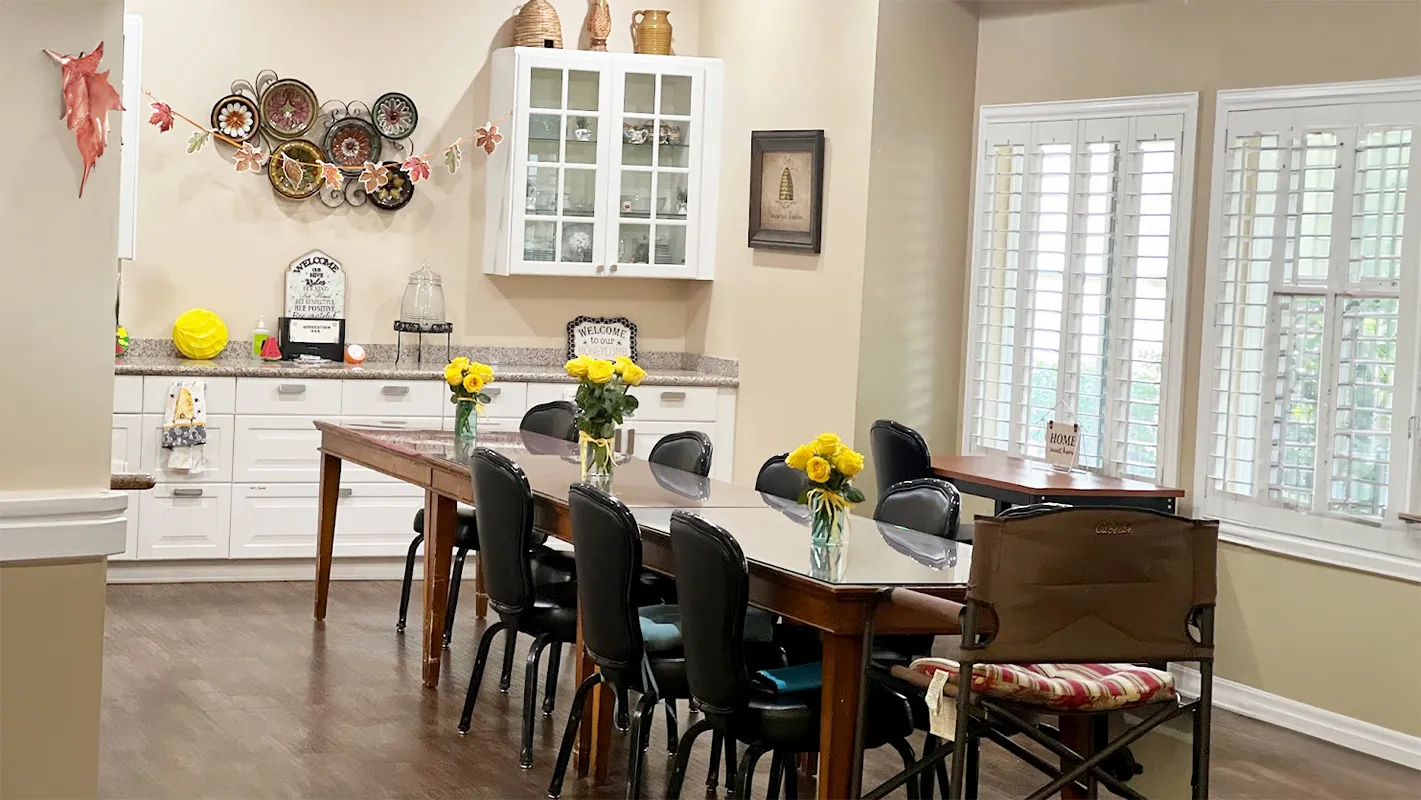
Families stress first about safety, which is proper. Secured exits, elopement procedures, and fall prevention should have scrutiny. Yet quality of life typically turns on quieter functions. Exist versatile meal windows for people who wake late? Are snacks readily available for grazers who deal with 3 huge meals? Do residents sit at consistent tables that encourage social connection, or does seating shift in manner ins which confuse?
People with dementia often gain from routines that blend predictability with option. The best activity calendars are not the busiest, they are the most personalized. A man who fished every weekend might connect with a weekly water themed sensory cart, not a generic bingo square. Ask how individual interests get woven into the program beyond one to one volunteers.
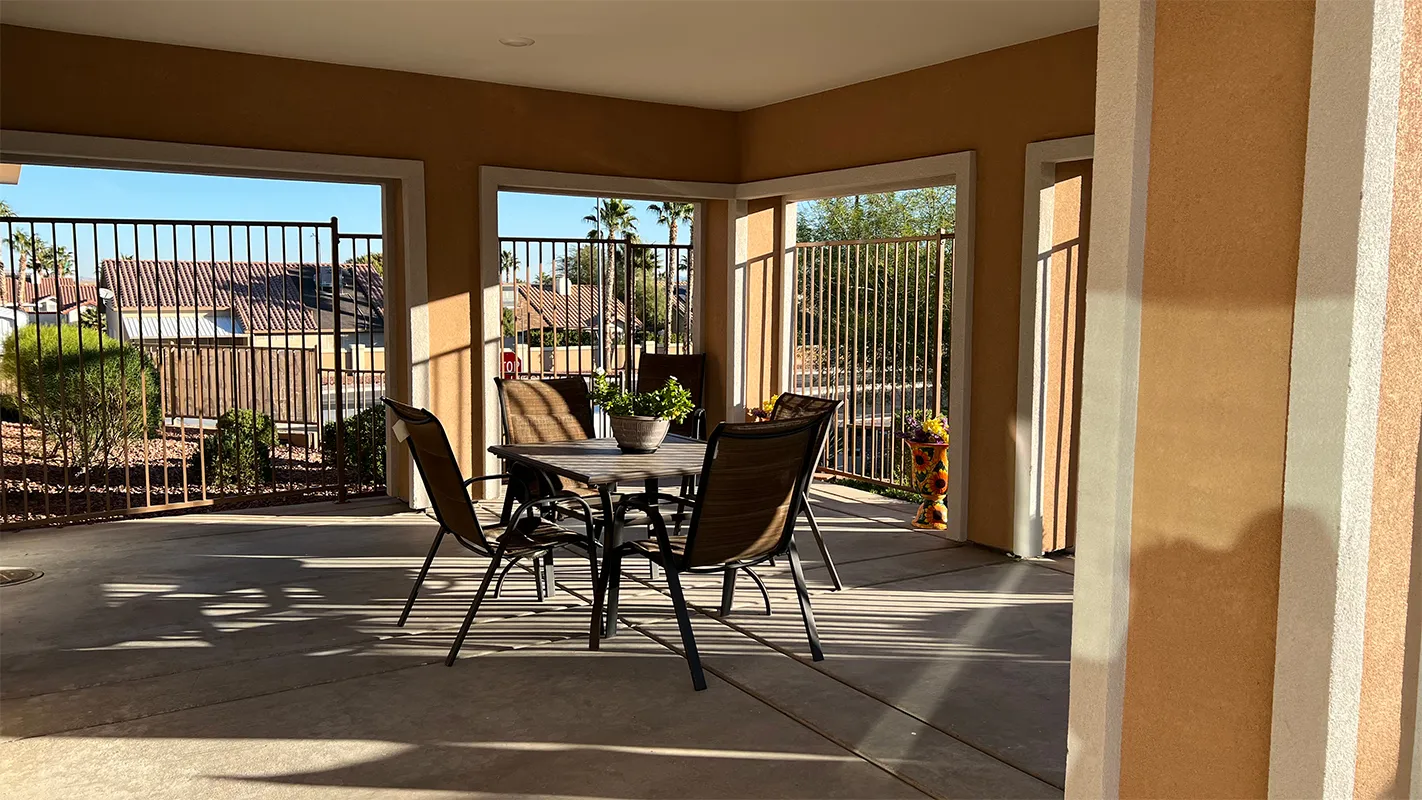
Outdoor gain access to is another quality marker. Fresh air minimizes agitation for lots of people, particularly those who paced when they were more youthful. A small safe and secure patio area used everyday does more good than a large yard that opens twice a month.
Behavior support philosophy informs you what takes place on tough days
Every neighborhood declares it handles habits. Inquire about particular tools. I search for nonpharmacologic approaches developed into day-to-day regimens, not simply took out when there is a crisis. For example, do aides have peaceful activity kits for uneasy homeowners? Do they rotate stimulating and calming spaces to manage energy? When a resident start out throughout individual care, do they pause, march, and reapproach with a various team member, or push through and escalate?
Medication has a role in dementia care, particularly for serious distress, depression, or psychosis. It ought to not be the default for staffing gaps or rushed regimens. During respite you can check out patterns. If a PRN is utilized 3 afternoons in a row, ask what occurred in the hours before, not only what happened at the moment of dosage.
Cost math that respects caregiver reality
Home care, adult day, and memory care are not apples to apples. Families often compare month-to-month community costs to their current out of pocket in the house and see a huge jump. Add the overdue hours you or a partner invest, the night wakings, and the opportunity expense of missed work. The calculus changes.
Daily respite rates frequently vary from 150 to 300 dollars depending upon area and care level. Adult day programs normally land between 70 and 140 dollars each day, often with transport consisted of. In home assistants can run 28 to 45 dollars per hour, with higher rates for nights and weekends. If your loved one requires near consistent supervision for safety, a memory care respite can be both a break and a data abundant trial rather than simply another expense.
If finances are tight, try a much shorter weekday focused respite to sample typical staffing, then set up a weekend stay later on to examine off hour coverage. Some communities offer reduced rates throughout low occupancy periods or credit part of the respite towards a future relocation. Ask directly. Sales teams have latitude they do not advertise.
A narrative from the field
A child brought her mother to a 10 day respite after a hospitalization. In your home, the mother had started pacing during the night, knocking on next-door neighbors' doors by dawn, and declining showers. The first two days at the neighborhood were rough. The mother attempted to leave through the staff door, required her mother, and refused breakfast. The staff did not push, however they did not pull away either. The activity planner discovered the mother paused at a hallway picture of a 1950s cooking area. They printed a bigger copy and taped it inside her space near the restroom. On day 3, the child checked out early, and they tried the shower with music from the Andrews Sis and a familiar green towel from home. It worked. By day five, the mother was participating in a brief 9 a.m. Coffee group and consuming half a muffin. The daughter extended the respite to 21 days, then converted to long term. The deciding aspect, she informed me later on, was not that the habits stopped. It was that the team kept adjusting, kept trying small, humane tweaks, and welcomed her to assist shape them.
When the trial says no
Not every respite ends in a move, which can be a gift. One gentleman ended up being more upset throughout his 2 week remain despite helpful care. His household saw that he required a memory care with a smaller sized, quieter environment and a nurse on website 12 hours a day due to complicated Parkinson's medications. They utilized the notes from the respite to improve their search requirements, explored 3 communities that matched, and tried a second respite in other places. The 2nd setting fit. Had they signed a lease at the very first community, they would have been locked into a pricey and stressful second move.
When a trial does not fit, share your observations when you decline. Great operators will ask for feedback and often even point you toward a much better match. The senior care world is smaller sized than it looks, and individuals talk. Professional courtesy can open doors for the next family too.
Turning a brief stay into a smooth long-lasting move
If the respite feels right, you have a head start on a stylish transition. Usage momentum while respecting the person's pace.
- Ask the team to keep the exact same room and primary assistants if possible. Familiar faces and layout decrease disorientation.
- Convert the respite care strategy into a full service plan with particular language about what worked during the trial.
- Move personal products in stages. Start with essentials and a couple of favorites. Add more decor progressively over the first two weeks.
- Schedule household visits at constant times the very first week post relocation, then slowly vary times so the resident engages even when you are not there.
- Set a 1 month check in with the nurse and administrator to examine weight, sleep, engagement, and any medication changes.
If the neighborhood charges a community fee or requires brand-new documents, do not presume anything carried over from respite. Read once again. Details wander between departments, particularly when sales, nursing, and workplace each deal with a piece.
Red flags that matter, even during a short stay
I avoid huge red flag lists, but a few patterns deserve attention. If you see personnel canceling activities consistently due to the fact that they are brief, consider what else gets cut. If call lights go unanswered at night while you wait with your parent in the hall, do not rationalize it away. If the nurse can not describe medication changes plainly, or if the doctor is unreachable for days, anticipate more of the exact same later. If your loved one loses more than 2 pounds in a two week respite without an apparent factor, and no one observed until you asked, food support might be weak.
On the positive side, when an assistant remembers a story from your father's Navy years and utilizes it later on to soothe him, you have actually seen relationship based care. When a janitor welcomes your mother by name and jokes gently about her love of lemon cookies, you have glimpsed a healthy culture that goes beyond titles.
The role of respite even if a relocation is months away
Caregivers frequently think twice to try respite while they still handle in the house. They stress it signals surrender or that their loved one will feel deserted. Used well, respite is not an ending, it is a tool. It can provide a spouse 10 undisturbed nights of sleep to reset perseverance and health. It can let you test driving patterns, like getting to a medical professional without two hours of coaxing. It can likewise act as a safety valve for emergency situations. If you have actually currently finished intake at a community through a previous respite, an abrupt hospitalization for the caregiver will not end up being a placement crisis.
Some families set a cadence, 2 short stays each year. The individual with dementia experiences the environment as familiar, not foreign, that makes any future long-term relocation less jarring. Personnel know the person, and their care strategy is currently a living document.
Final ideas from the trenches
Choosing memory care is not about discovering the most beautiful building or the lowest rate. It is about the day-to-day fit in between an individual's dementia care requirements and a team's capacity to fulfill them with ability and regard. A respite trial pulls that fit into view. It slows the choice enough to let you see what matters most while your loved one experiences the place beyond a lobby conversation.
If you deal with respite as both a break and a field test, prepare well, partner with the group, and see the peaceful information, you will step into long term care with more confidence. The best community will reveal itself not with guarantees, but with stable, regular skills. Which is the ground you can develop on.
BeeHive Homes of Henderson provides assisted living care
BeeHive Homes of Henderson provides memory care services
BeeHive Homes of Henderson provides respite care services
BeeHive Homes of Henderson supports assistance with bathing and grooming
BeeHive Homes of Henderson offers private bedrooms with private bathrooms
BeeHive Homes of Henderson provides medication monitoring and documentation
BeeHive Homes of Henderson serves dietitian-approved meals
BeeHive Homes of Henderson provides housekeeping services
BeeHive Homes of Henderson provides laundry services
BeeHive Homes of Henderson offers community dining and social engagement activities
BeeHive Homes of Henderson features life enrichment activities
BeeHive Homes of Henderson supports personal care assistance during meals and daily routines
BeeHive Homes of Henderson promotes frequent physical and mental exercise opportunities
BeeHive Homes of Henderson provides a home-like residential environment
BeeHive Homes of Henderson creates customized care plans as residents’ needs change
BeeHive Homes of Henderson assesses individual resident care needs
BeeHive Homes of Henderson accepts private pay and long-term care insurance
BeeHive Homes of Henderson assists qualified veterans with Aid and Attendance benefits
BeeHive Homes of Henderson encourages meaningful resident-to-staff relationships
BeeHive Homes of Henderson delivers compassionate, attentive senior care focused on dignity and comfort
BeeHive Homes of Henderson has a phone number of (702) 551-0265
BeeHive Homes of Henderson has an address of 1000 Greenway Rd, Henderson, NV 89002
BeeHive Homes of Henderson has a website https://beehivehomes.com/locations/henderson/
BeeHive Homes of Henderson has Google Maps listing https://maps.app.goo.gl/qpZ3TKgbxCu1MVSh8
BeeHive Homes of Henderson has Instagram page https://www.instagram.com/beehivehomeshenderson/
BeeHive Homes of Henderson has an YouTube page https://www.youtube.com/@hamiltonshives4468
BeeHive Homes of Henderson won Top Assisted Living Homes 2025
BeeHive Homes of Henderson earned Best Customer Service Award 2024
BeeHive Homes of Henderson placed 1st for Senior Living Communities 2025
People Also Ask about BeeHive Homes of Henderson
What is BeeHive Homes of Henderson Living monthly room rate?
Our base rate is $4,700 per month for assisted living and $5,700 per month for memory care plus a one-time community fee of $2,500. We do an assessment of each resident's needs prior to move-in, so each resident's rate may be higher. These prices fall into three tiers based on resident needs and range from $4,700/month to $7,300/month. However, after we do the assessment and quote a price, there are no add-ons or hidden fees
Does Medicare and Medicaid pay for a stay at Bee Hive Homes?
Medicare pays for hospital and nursing home stays, but does not pay for assisted living. Some assisted living facilities are Medicaid providers but we are not. We do accept private pay, long-term care insurance, and we can assist qualified Veterans with approval for the Aid and Attendance program
Do we have a nurse on staff?
We do have a nurse on contract who is available as a resource to our staff but our residents' needs do not require a nurse on-site. We always have trained caregivers in the home and awake around the clock
What can you tell me about the food at Bee Hive?
You have to smell it and taste it to believe it! We use dietitian-approved meals with alternates available for flexibility, and we can accommodate needs for different textures and therapeutic diets. We have found that most physicians are happy to relax diet restrictions without any negative effect on our residents
Do we allow pets?
We do allow small pets as long as the resident is able to care for them. State regulations also require that we have evidence of current immunizations for any required shots
Where is BeeHive Homes of Henderson located?
BeeHive Homes of Henderson is conveniently located at 1000 Greenway Rd, Henderson, NV 89002. You can easily find directions on Google Maps or call at (702) 551-0265 Monday through Sunday 9:00am to 5:00pm
How can I contact BeeHive Homes of Henderson?
You can contact BeeHive Homes of Henderson by phone at: (702) 551-0265, visit their website at https://beehivehomes.com/locations/henderson/ or connect on social media via Instagram or Facebook
Visiting the Hidden Falls Park & Amargosa Trailhead provides trails and outdoor recreation where families supporting loved ones through Assisted living memory care senior care elderly care and respite care can spend quality time together.